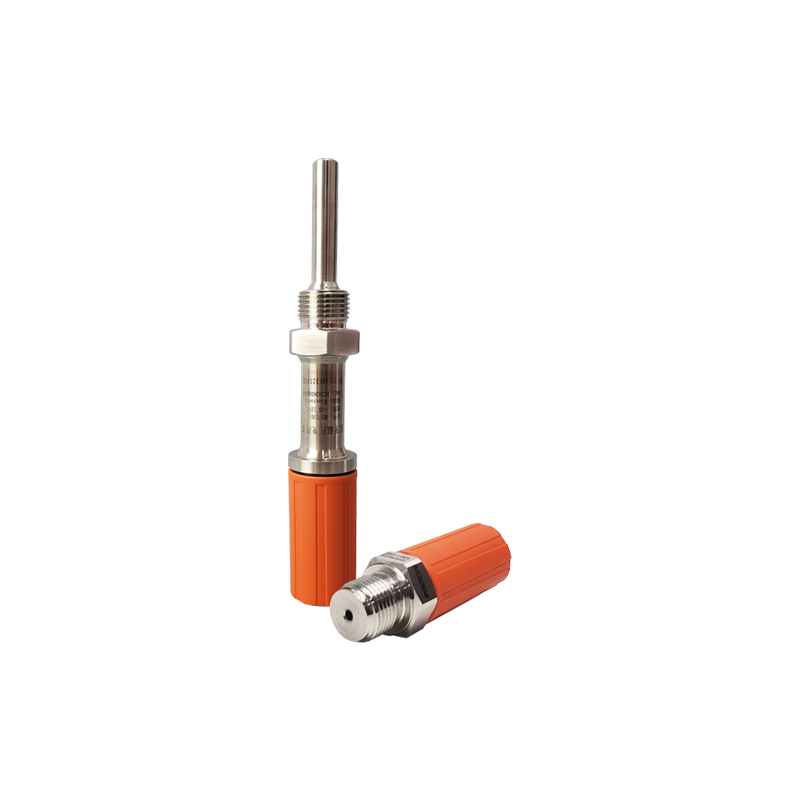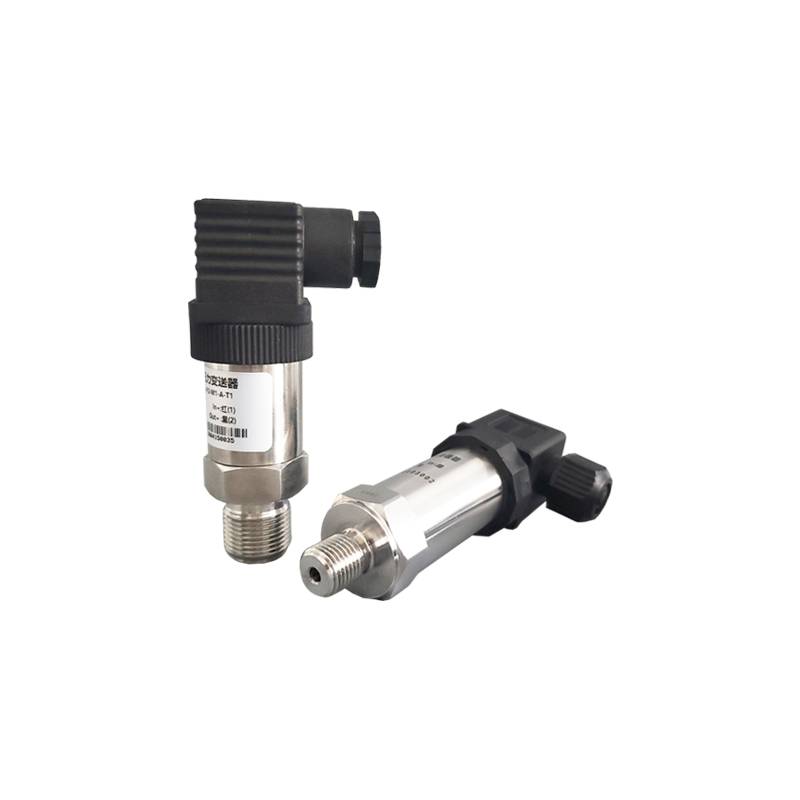
Factory source Level Transmitter Calibration - Polyurethane and Other High Viscosity Medium Measurement Capacitive Liquid Level Sensor – MEOKON
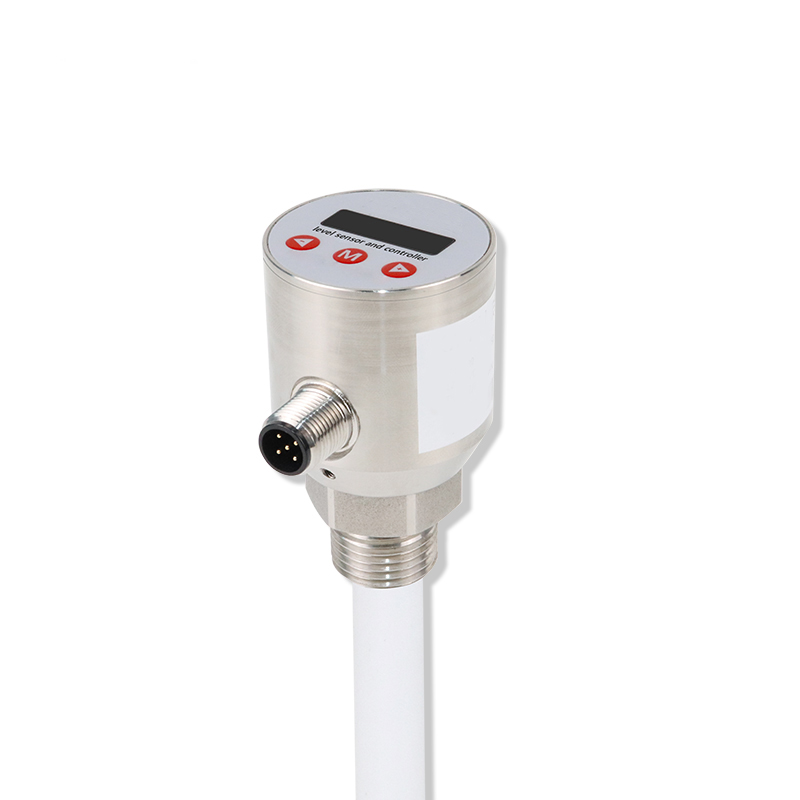
Factory source Level Transmitter Calibration - Polyurethane and Other High Viscosity Medium Measurement Capacitive Liquid Level Sensor – MEOKON Detail:
Measurement range (guide rod length L):
100…1000mm (bottom dead zone≤20mm)
Measuring medium: liquid
Pressure resistance: 10bar
Media density: ≥0.3g/cm
Power supply voltage: 16…28Vdc
No-load current consumption: ≤30mA, when powered by 24Vdc
Switch output
Output type: PNP / NPN optional normally open normally closed can be set
Output current: <500mA
Voltage drop: 10Kohm
Linearity: ≤±1.5% of range
Wiring protection: reverse phase, overload, short circuit protection
Display: OLED liquid crystal display
Temperature
Working temperature: -20…80ºC
Medium temperature: -20…100ºC
(high temperature type: -50…200ºC, higher temperature can be customized)
Storage temperature: -30…80ºC
Material
Shell: stainless steel 304
Probe rod: PTFE
Protection class: IP67
Outlet method: M12×1 connector directly attached
Application:
- Water, water as the base medium
- Oils, oil-based media, cooling lubricants
- powder
Product detail pictures:


Related Product Guide:
No matter new consumer or outdated shopper, We believe in lengthy expression and trusted relationship for Factory source Level Transmitter Calibration - Polyurethane and Other High Viscosity Medium Measurement Capacitive Liquid Level Sensor – MEOKON , The product will supply to all over the world, such as: Guyana, The Swiss, Jakarta, Although continuous opportunity, we have now now developed serious a friendly relationship with many oversea merchants, such as ones through Virginia. We securely assume that the merchandise regarding t shirt printer machine is often good through a great number of having its good quality and also cost.
 By Marina from Ukraine - 2017.08.28 16:02
The customer service staff's attitude is very sincere and the reply is timely and very detailed, this is very helpful for our deal,thank you.
By Elsie from Surabaya - 2017.05.02 11:33