In industries ranging from water treatment and chemical processing to oil and gas, the accurate monitoring of liquid levels in storage tanks is not just a matter of inventory management—it’s a critical component of operational safety, efficiency, and regulatory compliance. Traditional level measurement technologies often fall short when faced with challenging process conditions. This is where modern Radar Level Sensors prove to be an indispensable solution.
Unlike older technologies, radar sensors offer a non-contact, highly reliable method for continuous level measurement, making them essential for ensuring accuracy in even the most demanding liquid storage applications.
The Limitations of Traditional Level Measurement
Before the widespread adoption of radar technology, industries relied on methods like float switches, capacitive sensors, or ultrasonic level gauges. While useful in some contexts, these technologies have significant drawbacks:
Contact and Contamination: Sensors that make physical contact with the liquid can suffer from buildup, corrosion, or coating, leading to inaccurate readings and frequent, costly maintenance.
Sensitivity to Process Conditions: Ultrasonic sensors, for example, can be affected by changes in temperature, pressure, vapor, or foam on the liquid’s surface, compromising their accuracy.
Mechanical Wear: Moving parts in float-based systems are prone to mechanical failure over time.
These limitations can result in costly downtime, product loss, and even safety hazards like overfills or pump run-dry scenarios.
How Radar Technology Solves These Challenges
Radar level sensors operate by emitting high-frequency microwave pulses towards the surface of the liquid. The sensor then measures the time it takes for the pulse to reflect back. Since the speed of light is a constant, this “Time of Flight” calculation provides an extremely precise distance measurement, which is then converted into a level reading.
This non-contact principle offers several key advantages that make radar sensors essential:
Unmatched Accuracy and Reliability: Radar waves are largely unaffected by changes in temperature, pressure, or the presence of vapor and dust in the tank’s headspace. This ensures a stable and accurate signal regardless of the process conditions.
Maintenance-Free Operation: With no moving parts and no need for the sensor to touch the medium, there is no mechanical wear or risk of coating. This translates to significantly lower maintenance costs and a longer operational lifespan.
Versatility: Radar sensors can accurately measure a wide variety of liquids, from water and wastewater to aggressive chemicals and hydrocarbons, making them a versatile choice for diverse industrial applications.
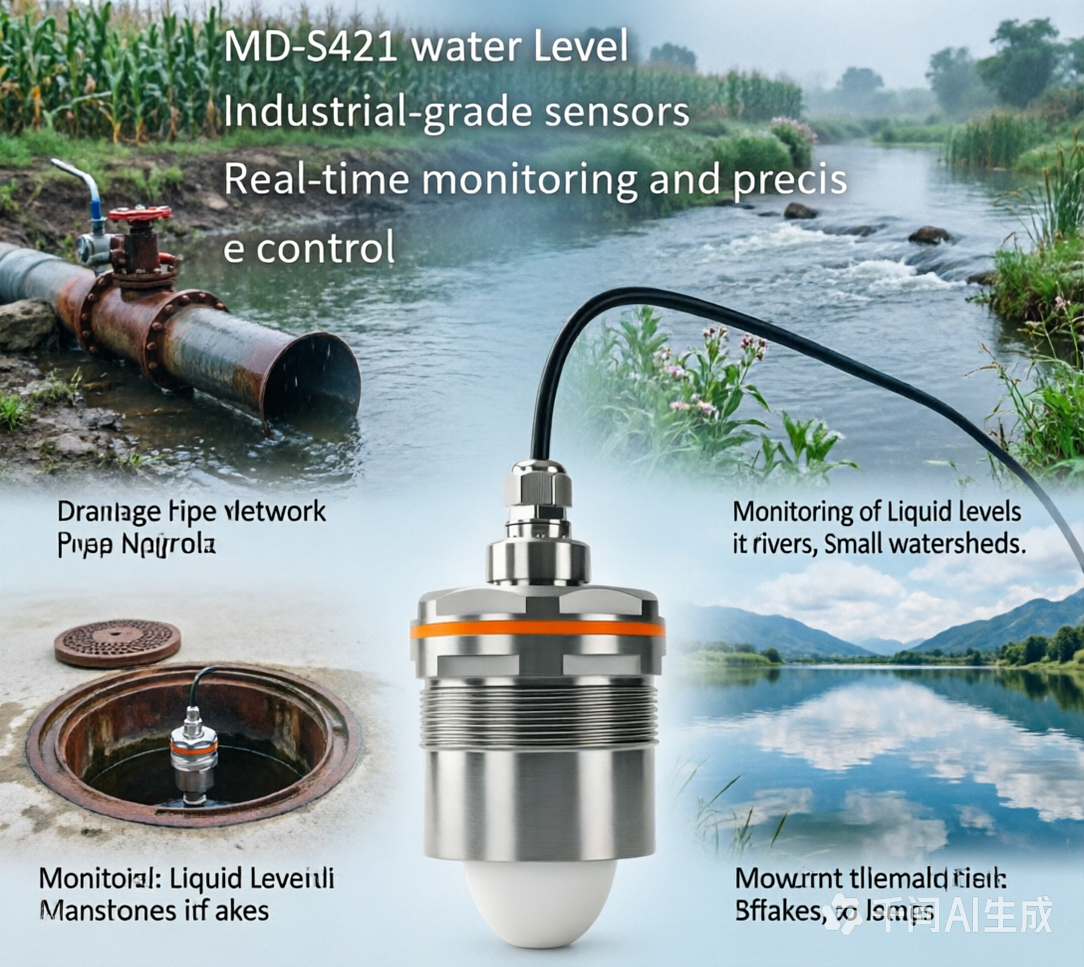
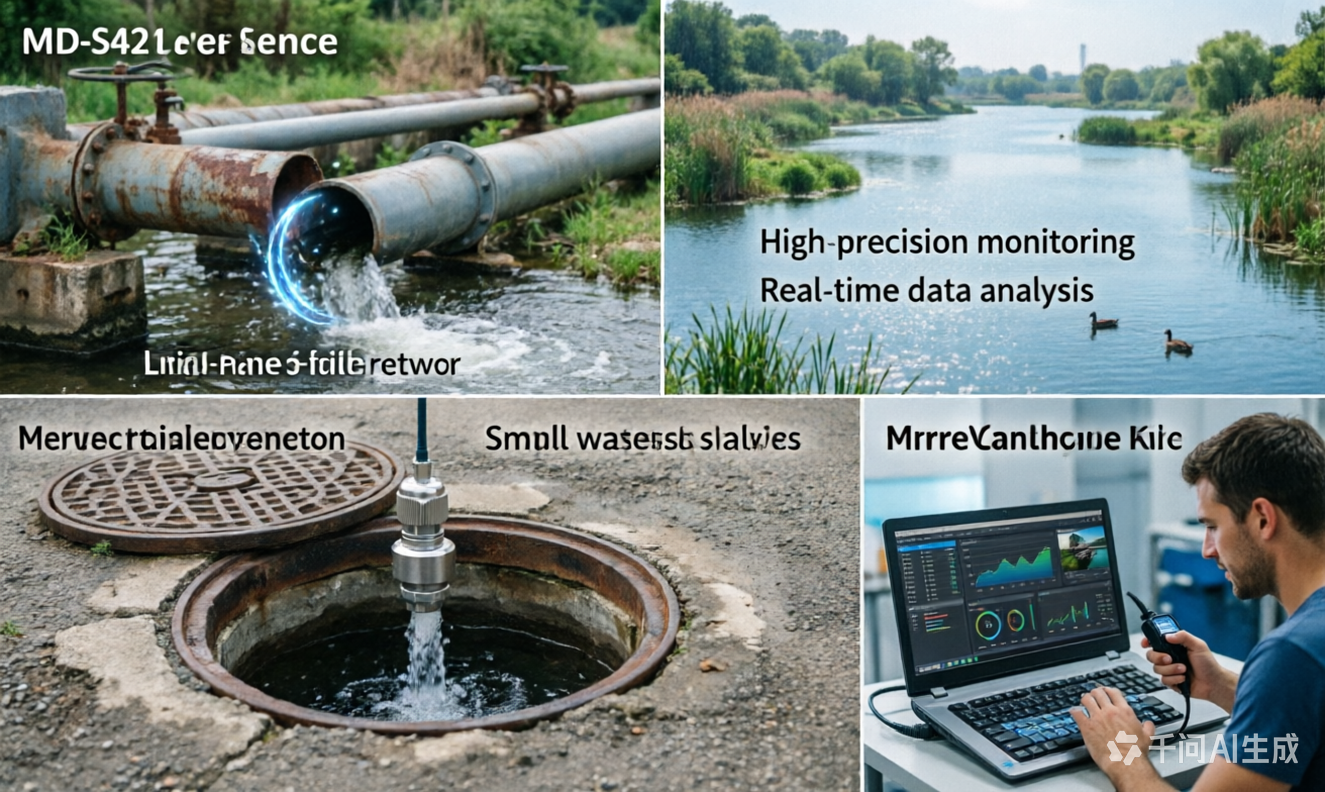
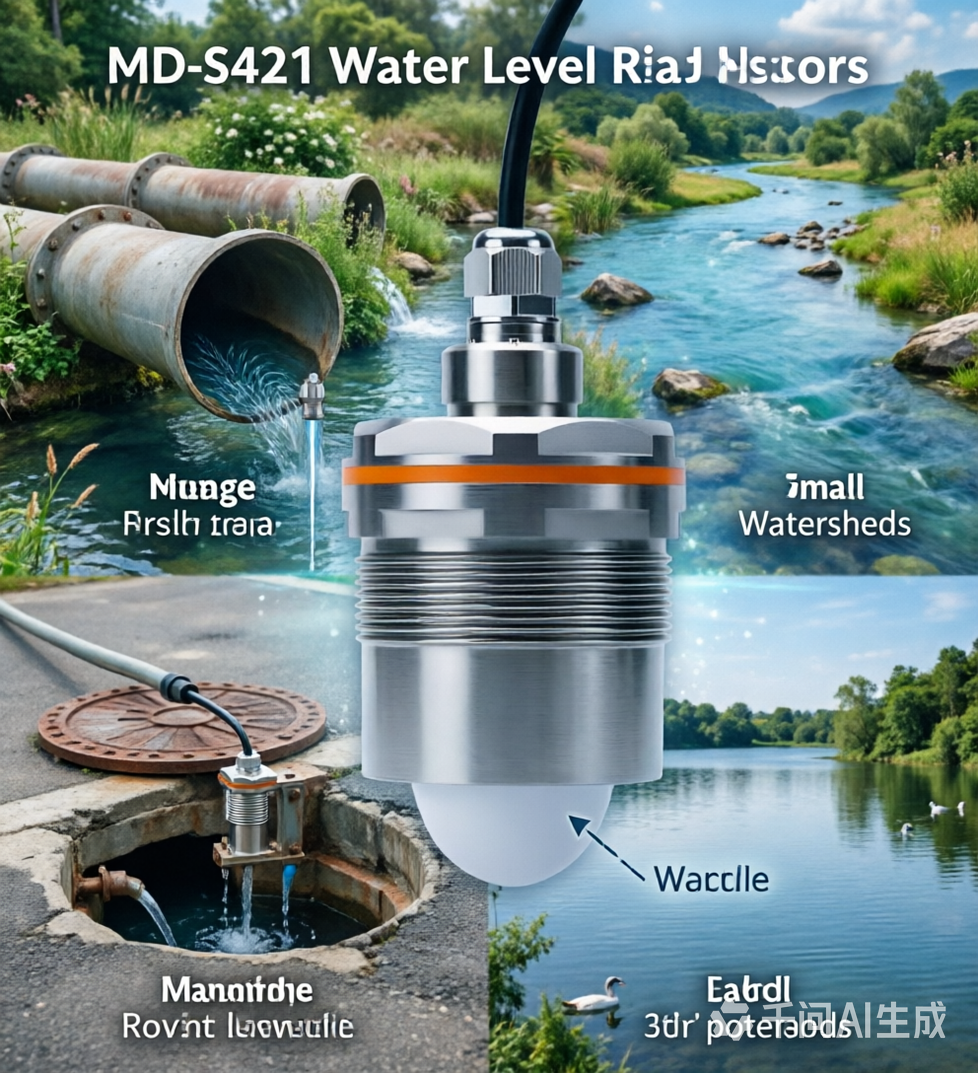
A prime example of this advanced technology is the MD-S421 Radar Level Sensor from MEOKON. Designed for robust performance, the MD-S421 is engineered to handle the complexities of modern industrial monitoring.
High-Performance Sensing: Capable of measuring levels up to 10 meters, the MD-S421 provides the range needed for most storage tank applications.
Seamless Integration: It features RS485 communication, allowing for easy integration into existing SCADA systems, PLCs, or IoT platforms for real-time data monitoring and control.
Rugged Design: With a high IP68 protection rating, the sensor is fully protected against dust and can withstand temporary immersion, ensuring reliable operation in harsh outdoor or washdown environments.
By deploying a sensor like the MD-S421, facility managers can achieve a new level of confidence in their liquid storage monitoring, preventing costly errors and optimizing their entire supply chain.
Conclusion
Accurate liquid storage monitoring is the backbone of efficient and safe industrial operations. Radar level sensors have moved from being a premium option to an essential tool, overcoming the inherent limitations of older technologies. Their ability to provide precise, reliable, and maintenance-free measurements in virtually any condition makes them the superior choice for any application where accuracy is non-negotiable. Investing in radar technology is an investment in operational integrity, safety, and long-term profitability.
Post time: Aug-05-2026