Have you ever considered the risks posed by problems with seemingly ordinary urban infrastructure, such as the roads you walk on every day, the bridges you cross, and the tap water you use?
Gas explosions, road collapses, bridge failures, and urban flooding—these “urban diseases” are becoming increasingly prominent as the pace of urbanization accelerates.
Urban lifelines are crucial for ensuring the safe operation of cities. They encompass systems such as gas, water supply, drainage, roads, bridges, and integrated utility tunnels. Like the “blood vessels” and “nerves” of the human body, if these systems are blocked or damaged, the city will be paralyzed.
Why are urban lifelines so important?
As cities expand and infrastructure ages, traditional manual inspection methods are increasingly unable to cope with “invisible risks” such as concealed engineering structures and underground pipelines. Accidents often occur without warning, leading to reactive responses and significant losses.
The national government has long attached great importance to this issue. In 2023, the Ministry of Housing and Urban-Rural Development explicitly stated that by 2025, all cities at or above the prefecture level nationwide must achieve comprehensive monitoring coverage in key areas such as gas, water supply, and bridges. The 14th Five-Year Plan emphasizes “integrated management of urban operations,” promoting the digital management of underground pipelines. This means that the urban safety governance model is shifting from “passive disaster relief” to “proactive prevention and control.”
Jiangdu’s Practice: A Model for Intelligent Monitoring
The first phase of the urban lifeline safety project in Jiangdu District, Yangzhou City, specifically the non-pipeline dedicated network project, adopts a construction model of “directly using Yangzhou City’s business systems through open accounts” within the construction scope of Jiangdu District. This results in the creation of a supervisory system for the first phase of the Jiangdu District urban infrastructure lifeline safety project, comprising “1 comprehensive application + 7 specialized applications + 1 distinctive specialized application.”
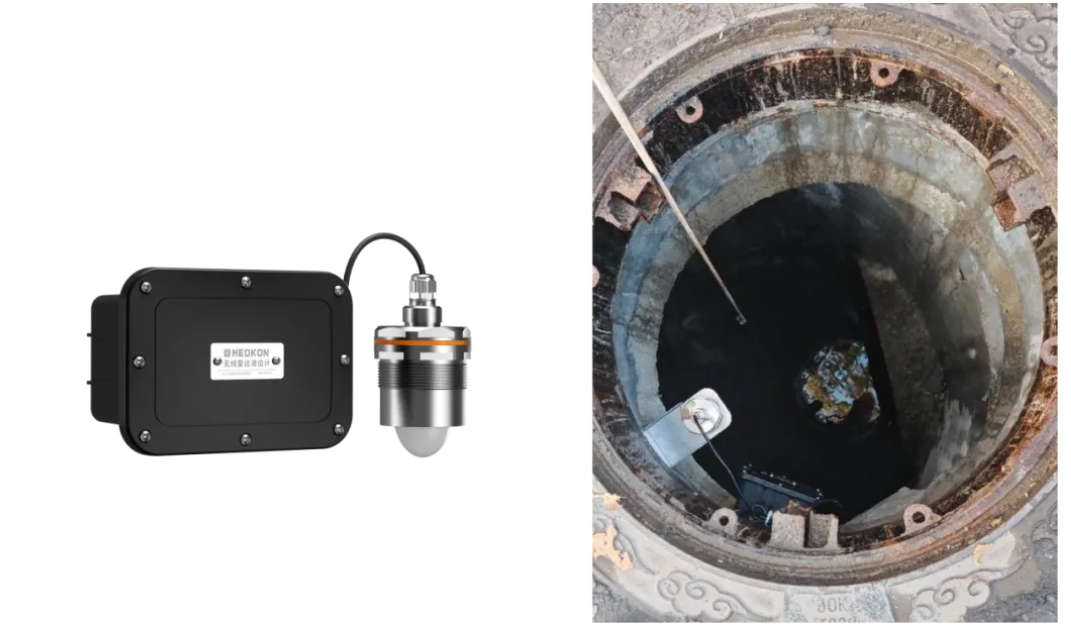
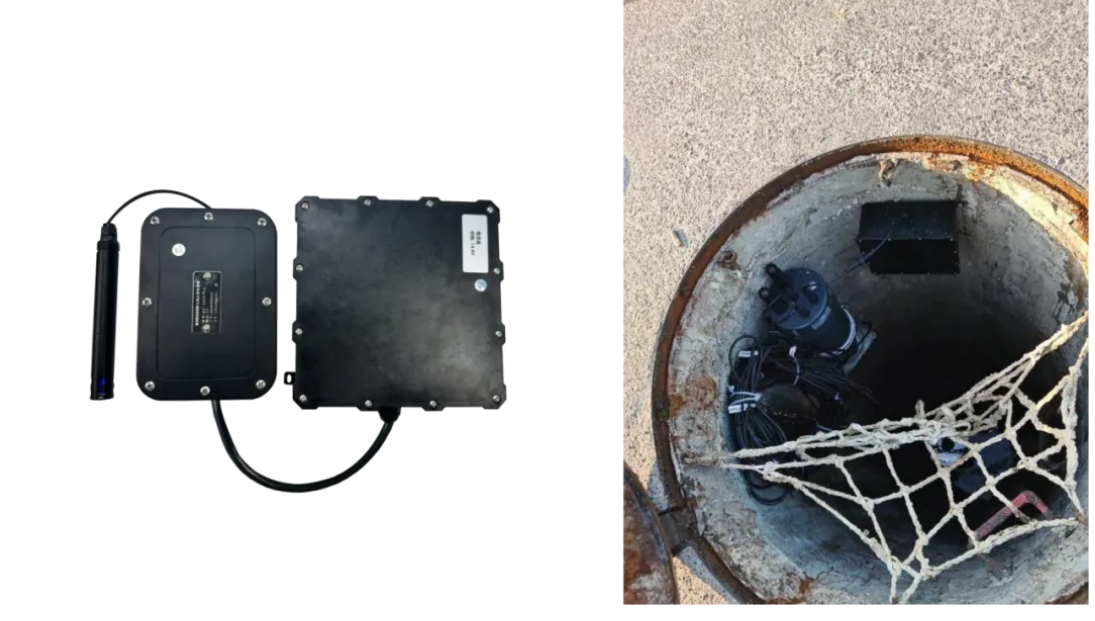
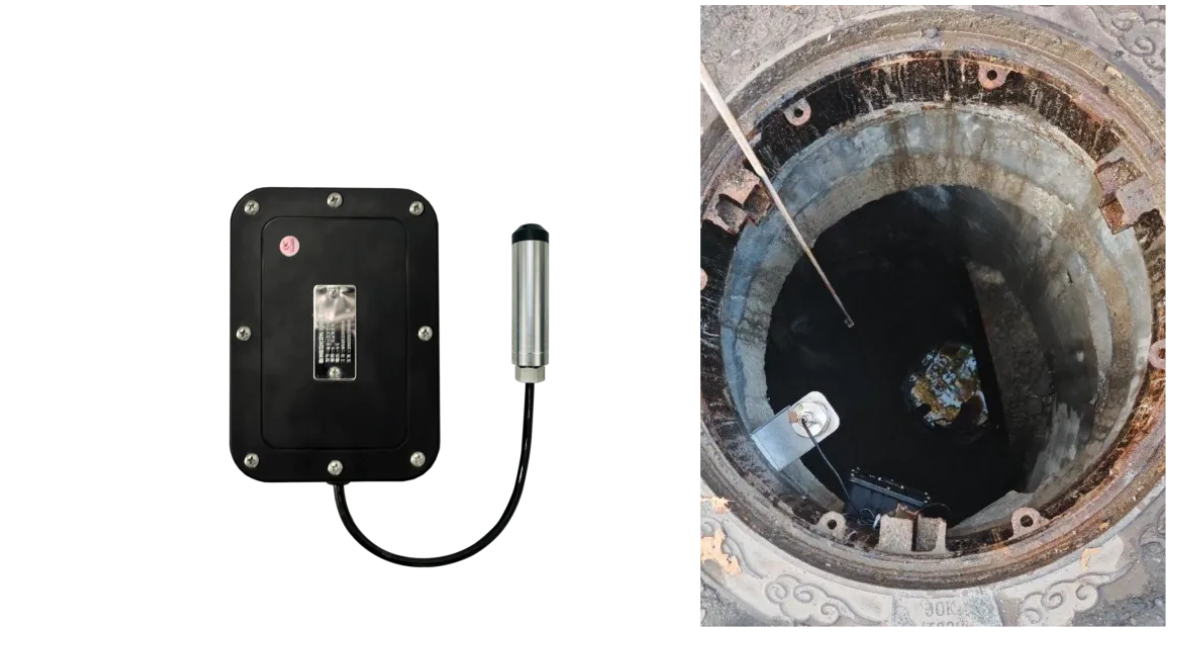
MEOKON is supporting this project by providing intelligent monitoring equipment, including liquid level and water quality sensors, for the urban drainage network in Jiangdu District. This enables 24/7 unmanned real-time monitoring of flood-prone areas, critical infrastructure, important rivers, key pumping stations, and other important monitoring points/networks, thereby reducing urban safety risks.
MD-K933 Wireless Radar Level Meter
MD-S953 Wireless Water Quality Sensor
MD-K981L Wireless Liquid Level Sensor
Combining existing industry standards for urban lifelines and MEOKON’s experience in multi-scenario monitoring applications of sensors, we have built a city-wide sensing network using Internet of Things technology and intelligent sensor devices. This network enables real-time monitoring of various critical facilities, accelerating the transformation of safety and emergency management from static analysis to dynamic perception, from post-event response to proactive prevention, and from single-point control to comprehensive joint defense, thereby comprehensively improving urban safety levels.
1. Urban flooding monitoring
2. Manhole safety monitoring
3. Water supply network detection
4. Drainage network monitoring
5. Gas safety monitoring
6. Urban heating safety monitoring
7. Integrated utility tunnel safety monitoring
Through a network of intelligent sensors, we sense the pulse of gas flow, listen to the breathing of the water supply network, and safeguard the tranquility of integrated utility tunnels. Every warning is a wake-up call for urban safety; every set of data is a cornerstone for intelligent decision-making. Mingkong Sensing, empowered by technology, goes beyond mere sensing, striving to breathe with the city and protect its lifelines.
Post time: Jan-15-2026